
Tea is more than a delicious beverage.
For centuries, tea was treated and consumed as a medicinal herb. Physicians, herbalists, and medicine people picked wild-grown tea leaves, and boiled them (as fresh leaves or dried, ground powders) with other plants to create remedies for special patients and their ailments. In the early pharmacopeias of Taoist medicine, tea is described as shen, or "spirit," tonic: tea was said to calm the heart and "brighten the eyes," in both physical and spiritual senses. The legend goes that the emperor Shennong, after a tea leaf fell into his pot of boiling water, drank tea for the first time and exclaimed, "Surely this is the empress of all medicinal herbs!"
Today, chemistry and biology illuminate some of the many physical benefits of tea, especially fermented Puerh tea:
- High concentration of antioxidants and vitamin C, booting immunity and decreasing inflammation
- High levels of polyphenols, cleansing the body free radicals and increasing bone mass
- Promoting healthy gut flora, aiding digesting
- Regulating cholesterol and blood sugar
- Gently increasing focus and energy, without jitters and crashes
These would be reason enough to incorporate tea into our daily lives, but just like the herbalists whose use of tea predated these discoveries, we know that health goes beyond the physical realm, and medicine is more than just chemistry.
For thousands of years, tea has been a transformative tool for reconnecting us to Nature, to one another, and to ourselves.
In our contemporary work-focused and technology-obsessed society, there has been a significant interest in returning to "old ways": from nostalgia for Polaroid photos, to revivals of Greek philosophies, to paleo diets and "rewilding."
We're all craving a connection to something bigger: our heritage, our roots, our essential selves — and instead we're scrolling Instagram and watching Netflix.(Guilty as charged.)
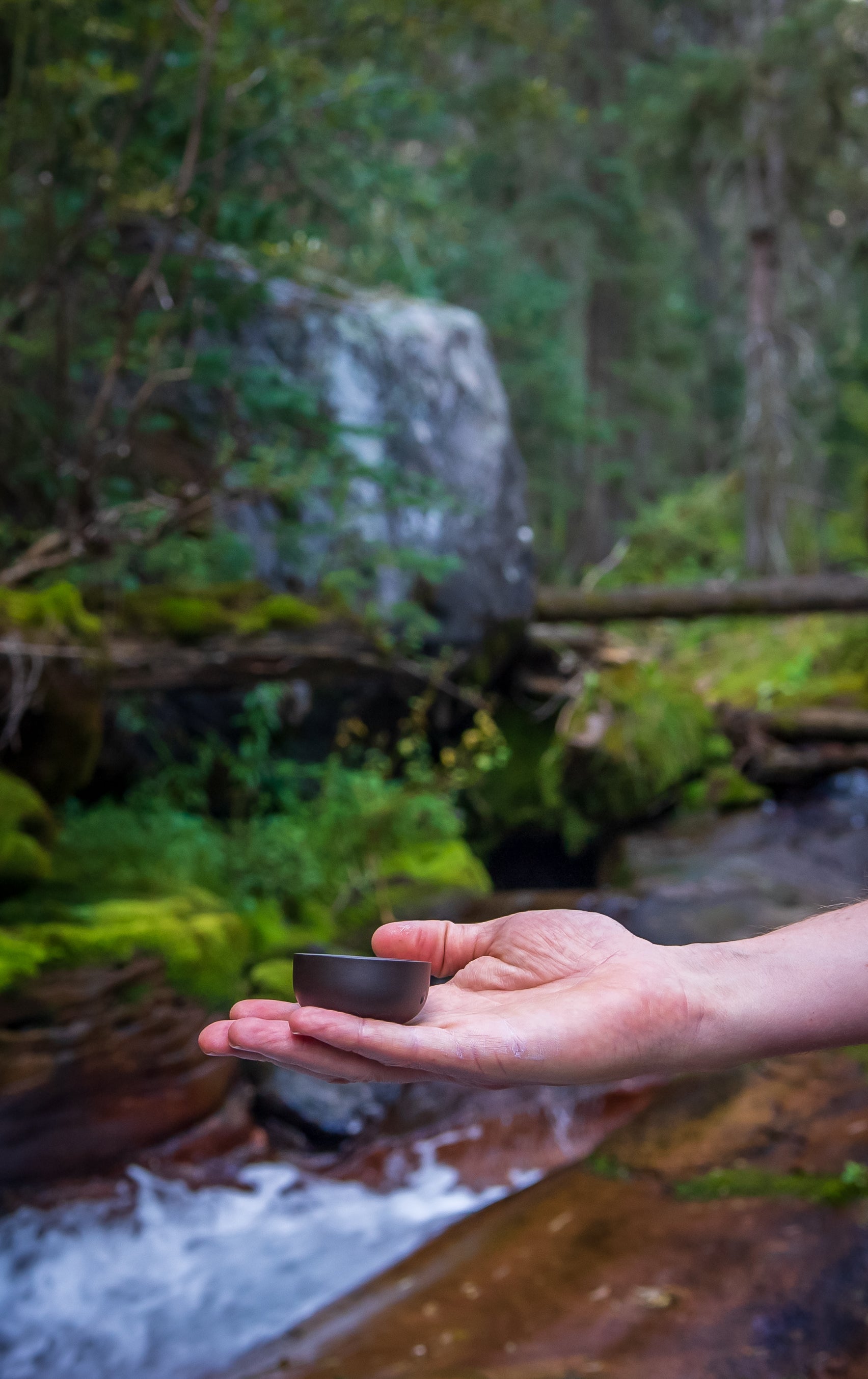
At Living Tea, we often like to say that we “follow the way of the trees.” It means that we take our lessons from Nature, the place we all came from. Old-growth forests teach us patience, longevity, cooperation, and interconnectedness. We learn that there are seasons for everything: for loss and rebirth, for growing and staying in place. And by drinking living teas, we are literally united with those plants whom we call our teachers. We brew and share our tea with respect, and we invite it to inspire our whole lives. One simple way is by adjusting our tea selections with the seasons, letting our Natural cycles guide our exploration – an embodied practice of harmony with Nature, just like seasonal and local eating.
Tea invites us to this way of mindfulness both externally and internally. The tea plant itself was first brought from China to Japan by Chan (Zen) Buddhist monks, who found that its ability to calm the spirit while keeping the mind alert helped them to sit for long sessions of meditation. The elaborate Japanese tea ceremony (chanoyu) developed over many centuries as tea entered popular culture and evolved into its own aesthetic and spiritual practice. Regardless of whether one wishes to learn the choreography of different ceremonial traditions, the ritual of tea creates an accessible entrypoint for meditation (drinking three bowls in silence is a great place to start), or simply beginning one’s day with calm, focus, and intention.
Healing traditions the world over have always known: community is also medicine. “It takes a village” is not just a cliche! Though it’s less common in the West, the treatment of physical ailments in many places still involves communal rituals, ceremonies, and reconnection to ancestors and teachers. In times of both good health and bad, gathering around a table to share a drink is a universal invitation of nourishment, intimacy, and care. Need to have a tough conversation? Not feeling well? Even first dates - the recommendation is to sit down together with a warm drink. The British tradition we now know as “afternoon tea” began pragmatically as a light snack between lunch and a late dinner, but has since evolved into a setting for special occasions, celebrations, and even international diplomacy. Relationships are fostered and healed over tea.
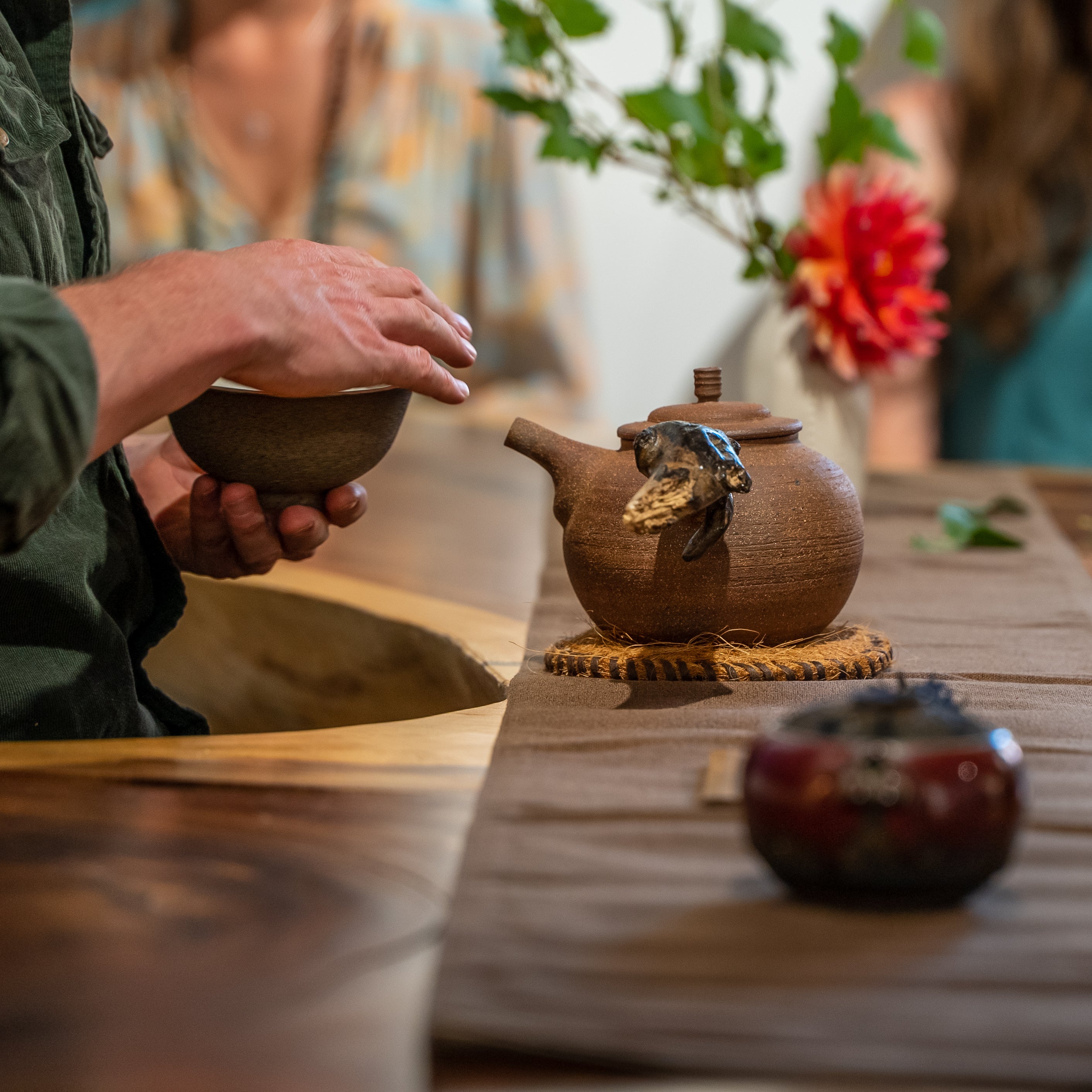
At Living Tea, we are honored to pick up the long thread of such traditions. We are deeply grateful and indebted to our many teachers throughout Asia and all over the world, who continue to guide and inspire us each day. Whether you enjoy tea simply as a delicious beverage or as something more than that, we’re delighted to share Living Tea with you.
Experience Living Tea
with these seasonal selections:


